
Walmart Is the Marketplace Opportunity Most Sellers Are Ignoring
While everyone fights for visibility on Amazon, Walmart Marketplace has been quietly growing into a serious sales channel. Walmart.com gets over 120 million unique monthly visitors, and their marketplace now hosts over 150,000 sellers. Compare that to Amazon's 2+ million sellers, and the math is obvious — there's way less competition per buyer on Walmart.
But Walmart isn't Amazon. Their shipping rules, performance standards, and fulfillment options work differently. Sellers who treat Walmart like "Amazon Lite" run into problems fast. Here's everything you need to know before your first Walmart order ships.
Walmart's Shipping Requirements
Walmart takes delivery promises seriously. When a customer sees a delivery date on the product page, Walmart expects you to meet it — no excuses. Here's how their system works:
Shipping Speed Tiers:
- NextDay: Order ships same day, delivers next business day
- TwoDay: Order ships within 1 day, delivers within 2 business days
- ThreeDay: Ships within 1 day, delivers within 3 business days
- Value (Standard): Delivers within 5 business days
Every listing must have a shipping speed assigned. The speed you select directly affects your Buy Box eligibility and search ranking. Faster shipping = better visibility. Walmart's algorithm heavily favors TwoDay and ThreeDay offers.
Performance Metrics That Matter:
Walmart tracks two shipping metrics obsessively:
- On-Time Shipment Rate: Packages must ship within your promised handling time. Target: above 99%.
- Valid Tracking Rate: Every order must have a valid, scannable tracking number from a recognized carrier. Target: above 99%.
Drop below these thresholds consistently, and Walmart will suspend your selling privileges. They're not as forgiving as eBay about the occasional late shipment.
WFS vs Self-Fulfilled: Choosing Your Approach
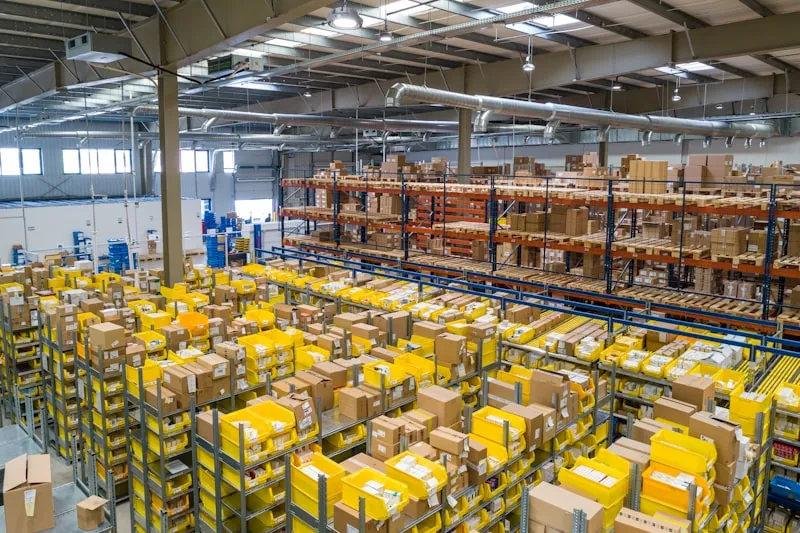
Walmart Fulfillment Services (WFS) is Walmart's answer to Amazon FBA. You send inventory to Walmart's fulfillment centers, and they handle storage, picking, packing, and shipping. Your items automatically qualify for TwoDay delivery and get a "Fulfilled by Walmart" badge.
WFS Pros:
- Automatic TwoDay shipping tag (massive for Buy Box)
- Walmart handles customer returns
- No need for your own warehouse or packing operation
- Items eligible for Walmart+ free shipping
- Lower return rates (Walmart's packaging is solid)
WFS Cons:
- Storage fees (especially for slow-moving inventory)
- Less control over packaging and branding
- Prep requirements — Walmart's inbound standards are strict
- Not available for all product categories
- You're locked into Walmart's customer service process
How WFS Compares to FBA:
WFS storage fees are generally lower than Amazon FBA — about $0.75 per cubic foot per month versus Amazon's $0.87 (and Amazon's Q4 fees jump to $2.40). WFS fulfillment fees are competitive too, often a few cents cheaper per unit for standard-size items. The biggest difference? WFS doesn't charge a long-term storage fee until inventory sits for a full year, while Amazon starts penalizing at 271 days.
The trade-off is volume. Amazon moves more units, so even with higher fees, many sellers see better ROI on FBA. But for products where Walmart's audience overlaps with your buyer base — think household goods, groceries, everyday essentials — WFS can be more profitable.
Self-Fulfilled means you handle everything yourself or through a third-party logistics provider (3PL). You keep full control over packaging, inserts, and the customer unboxing experience.
Setting Up Shipping Templates
Walmart uses shipping templates to define your shipping rules. You'll find these in Seller Center under Settings > Shipping Templates. Every template needs:
- Shipping methods and speeds for each region
- Handling time (how long before you ship after an order comes in)
- Shipping price (free shipping, flat rate, or weight-based)
- Regional availability (you can exclude states like Alaska and Hawaii if you want)
One critical mistake new sellers make: setting up one shipping template and applying it to everything. Instead, create separate templates for different product types. Your lightweight items might qualify for TwoDay via USPS Priority, while your 30 lb products realistically need a 5-day window via UPS Ground.
The TwoDay Delivery Program
Walmart's TwoDay program is where the real advantage is. Listings tagged with TwoDay delivery get:
- A prominent "2-Day Shipping" badge on the product page
- Significant boost in search rankings
- Higher Buy Box win rate
- Better conversion rates (Walmart says up to 50% higher)
To qualify for TwoDay with self-fulfilled orders, you need to:
- Ship from locations that can reach your delivery zones within 2 business days
- Maintain a 99%+ on-time shipment rate
- Use approved carriers (more on this below)
- Have short handling times (ideally same-day or next-day)
If you have warehouses or 3PLs on both coasts, you can cover most of the continental US with 2-day ground shipping. A single warehouse in a central location like Dallas, Louisville, or Indianapolis can reach about 75% of the US population within 2 ground days.
Carrier Setup and Preferences
Walmart works with all major carriers, but they have preferences. For self-fulfilled orders:
- FedEx and UPS are fully integrated and preferred
- USPS works well for lightweight packages
- Regional carriers like OnTrac or LSO can be used but need to be configured carefully
- Tracking must be valid — Walmart validates tracking numbers against carrier databases
Upload your tracking number the moment you create the shipping label, not when the carrier scans it. Walmart starts the clock on your shipping performance when the order is placed, and late tracking uploads count against you even if the package shipped on time.
Using Shipping Software with Walmart
Managing Walmart orders manually through Seller Center gets old fast, especially if you're also selling on Amazon, Shopify, or eBay. Shipping software pulls all your orders into one place.
ShipStation has strong Walmart Marketplace integration. It imports orders automatically, lets you batch-print labels, and pushes tracking numbers back to Walmart. Their automation rules can assign carriers and service levels based on package weight, destination, and delivery promise.
Ordoro is another solid option, particularly if you're managing inventory across Walmart and other channels simultaneously. Their inventory sync prevents overselling, which is a real problem when you're running the same SKUs on multiple marketplaces.
Deliverr (now Flexport) is worth mentioning if you want a 3PL that's deeply integrated with Walmart. They can get your self-fulfilled orders tagged for TwoDay delivery by strategically distributing your inventory across their fulfillment network.
Common Mistakes New Walmart Sellers Make
1. Overpromising on delivery speed. Don't set TwoDay delivery on products you ship from a single warehouse on the East Coast to a buyer in Oregon. You'll miss the delivery window, tank your metrics, and risk suspension.
2. Ignoring packaging standards. Walmart requires packages to withstand carrier handling. No flimsy poly mailers for heavy items. Fragile products need proper protection. Returns from damaged goods hurt your account health.
3. Not optimizing shipping templates. Your shipping template directly affects your product visibility. Review and update them quarterly as you add warehouse locations or negotiate better carrier rates.
4. Skipping free shipping. Walmart shoppers expect free shipping, especially with Walmart+ growing. If you can build shipping costs into your product price, do it. Listings with free shipping convert significantly better.
5. Treating Walmart like a secondary channel. If you list on Walmart but prioritize Amazon orders when things get busy, your Walmart metrics will suffer. Treat it as a first-class channel or don't bother — Walmart will notice the neglect.
The Opportunity Is Real
Walmart Marketplace is at a stage Amazon was at maybe 8-10 years ago — growing fast, with less competition and a platform that's actively courting sellers. Their advertising costs are lower, their fees are transparent (no FBA-style hidden costs), and the audience is massive.
The sellers who take Walmart seriously now — who set up proper shipping workflows, hit their delivery promises, and build good seller metrics — are going to own category positions that become much harder to win later. For more on managing orders across multiple marketplaces, see our multi-channel shipping management guide. And for carrier rate comparisons, check our USPS vs UPS vs FedEx vs DHL guide.
Get in, get your shipping dialed, and start building that track record.